At Treehouse we build learning around our science or social studies themes, which means we integrate subjects such as language arts, math, reading, art, and projects into this topic. Research has shown that children develop a deeper level of understanding by making connections across disciplines. Units also make subjects more exciting and engaging, which helps students build intrinsic motivation to continue learning!
Units 2025 - 2026
-
Team bonding, STEM projects, art, group games, daily routines and expectations.
-
Learning about our community, different jobs within it, and the important role each person plays.
K.4 Students compare and contrast the locations of people, places, and environments and describe their characteristics.
1.2 Students compare and contrast the absolute and relative locations of places and people and describe the physical and/or human characteristics of places.
-
Comparing objects and lifestyles from long ago to today.
2.1 Students differentiate between things that happened long ago and things that happened yesterday.
2.5 Students understand the importance of individual action and character and explain how heroes from long ago and the recent past have made a difference in others’ lives (e.g., from biographies of Abraham Lincoln, Louis Pasteur, Sitting Bull, George Washington Carver, Marie Curie, Albert Einstein, Golda Meir, Jackie Robinson, Sally Ride).
-
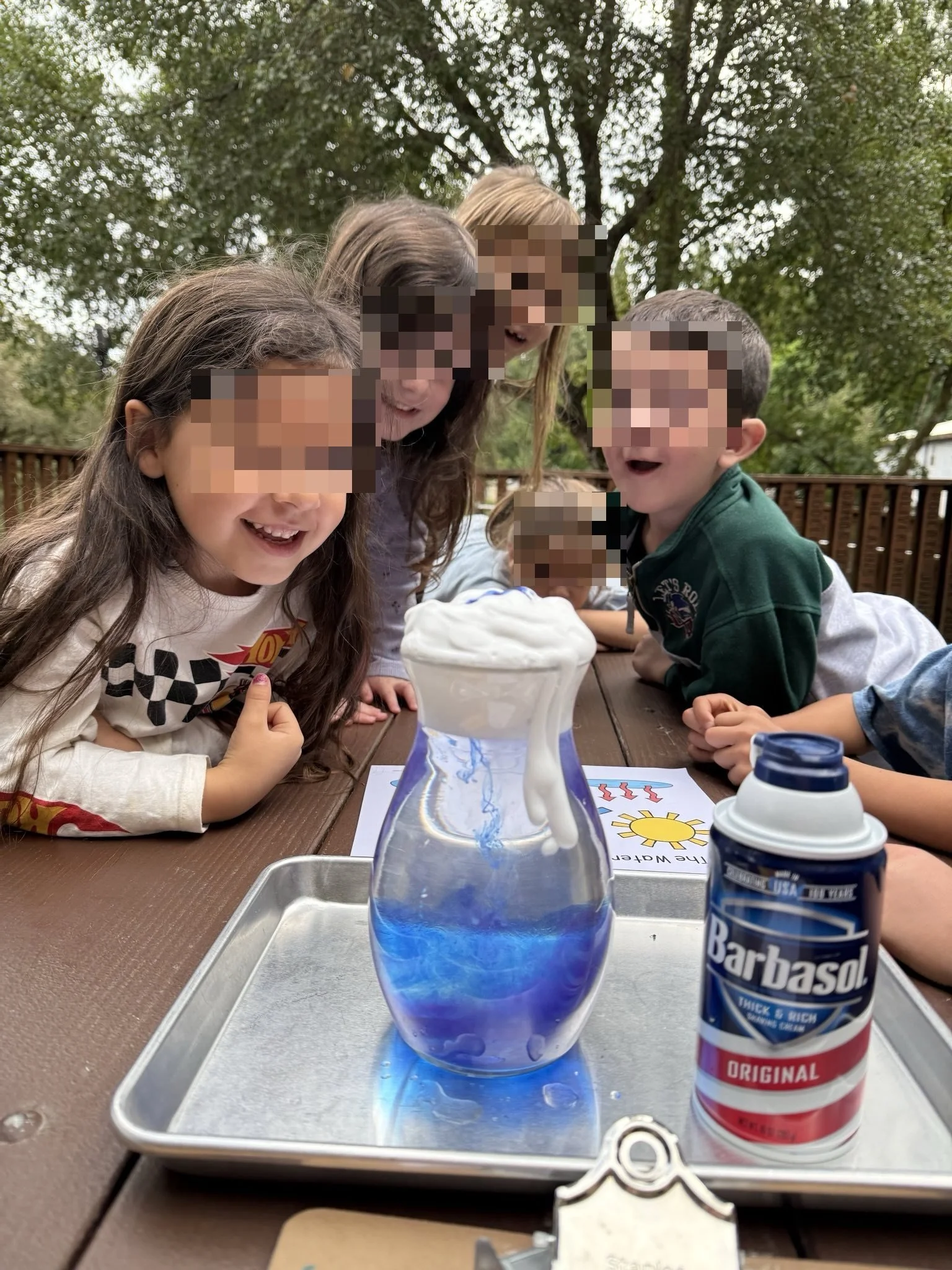
Focus: types of weather, tools for measuring it, types of extreme weather, and the water cycle
K-ESS2-1. Use and share observations of local weather conditions to describe patterns over time.
K-ESS3-2. Ask questions to obtain information about the purpose of weather forecasting to prepare for, and respond to, severe weather.
-
Focus: studying each type of landform, clay creations, erosion labs and experiments.
2-ESS1-1. Use information from several sources to provide evidence that Earth events can occur quickly or slowly.
2-ESS2-1. Compare multiple solutions designed to slow or prevent wind or water from changing the shape of the land.
2-ESS2-2. Develop a model to represent the shapes and kinds of land and bodies of water in an area.
-
This was our first whole group unit, with differentiation for each cohort during small group time.
1-PS4-1. Plan and conduct investigations to provide evidence that vibrating materials can make sound and that sound can make materials vibrate.
1-PS4-2. Make observations to construct an evidence-based account that objects in darkness can be seen only when illuminated.
1-PS4-3. Plan and conduct an investigation to determine the effect of placing objects made with different materials in the path of a beam of light.
1-PS4-4. Use tools and materials to design and build a device that uses light or sound to solve the problem of communicating over a distance.
3–5-ETS1-1. Define a simple design problem reflecting a need or a want that includes specified criteria for success and constraints on materials, time, or cost.
3–5-ETS1-2. Generate and compare multiple possible solutions to a problem based on how well each is likely to meet the criteria and constraints of the problem.
3–5-ETS1-3. Plan and carry out fair tests in which variables are controlled and failure points are considered to identify aspects of a model or prototype that can be improved
-
Exploring Newton’s Three Laws of Motion
K-PS2-1. Plan and conduct an investigation to compare the effects of different strengths or different directions of pushes and pulls on the motion of an object.
K-PS2-2. Analyze data to determine if a design solution works as intended to change the speed or direction of an object with a push or a pull.
-
3-PS2-3. Ask questions to determine cause and effect relationships of electric or magnetic interactions between two objects not in contact with each other.
3-PS2-4. Define a simple design problem that can be solved by applying scientific ideas about magnets.*
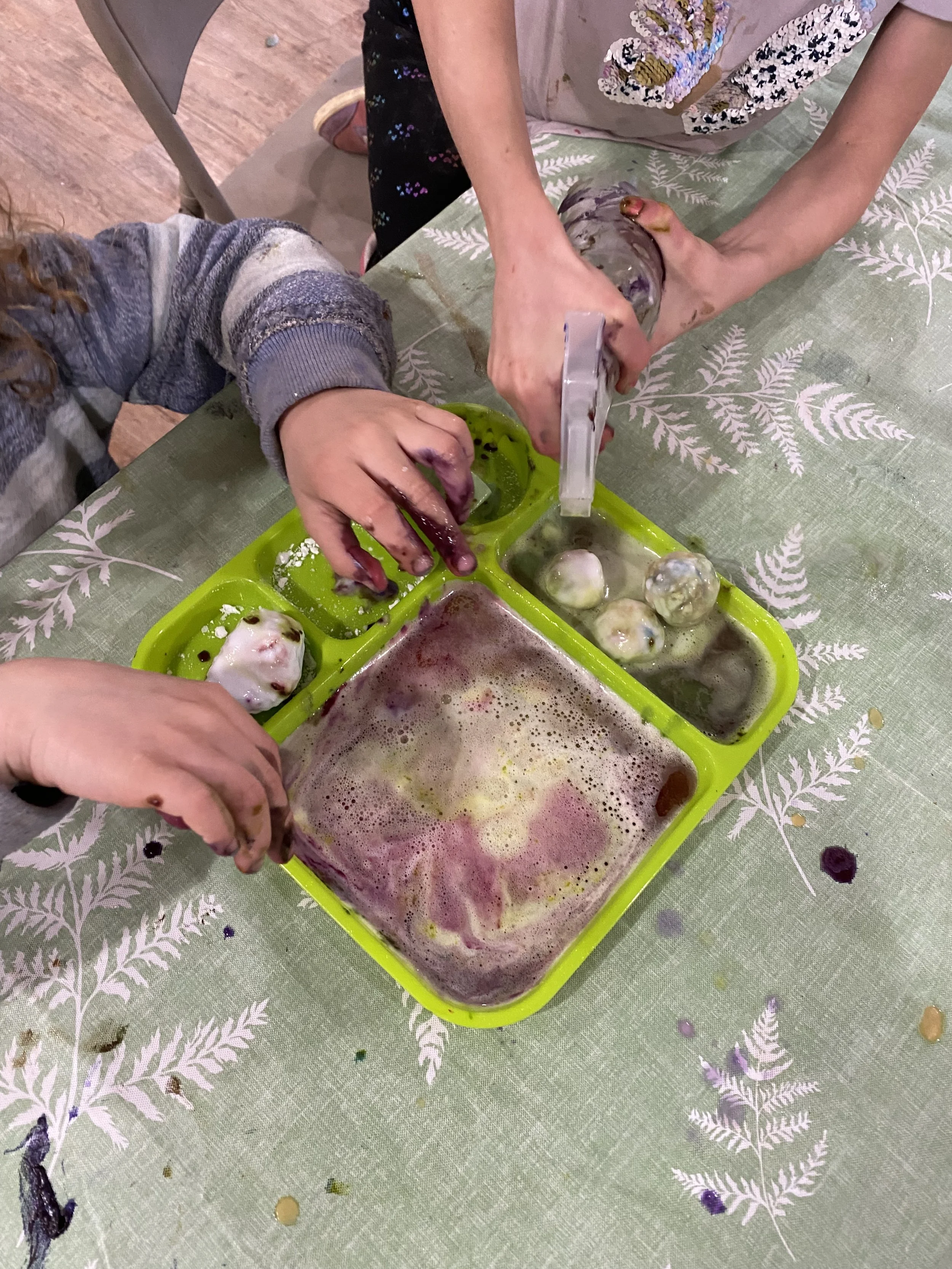
2-PS1-1. Plan and conduct an investigation to describe and classify different kinds of materials by their observable properties.
2-PS1-2. Analyze data obtained from testing different materials to determine which materials have the properties that are best suited for an intended purpose.*
2-PS1-3. Make observations to construct an evidence-based account of how an object made of a small set of pieces can be disassembled and made into a new object.
2-PS1-4. Construct an argument with evidence that some changes caused by heating or cooling can be reversed and some cannot.
-
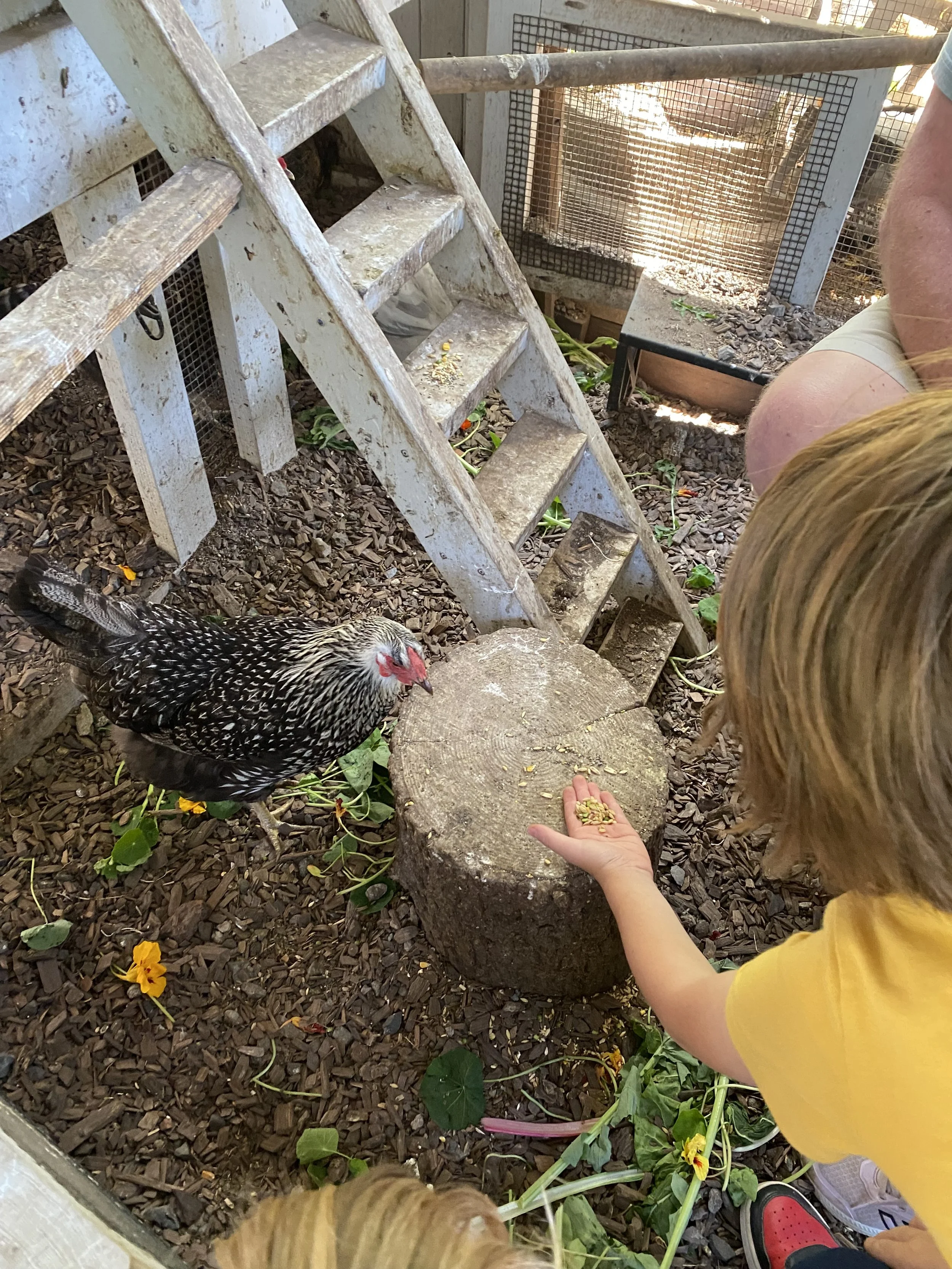
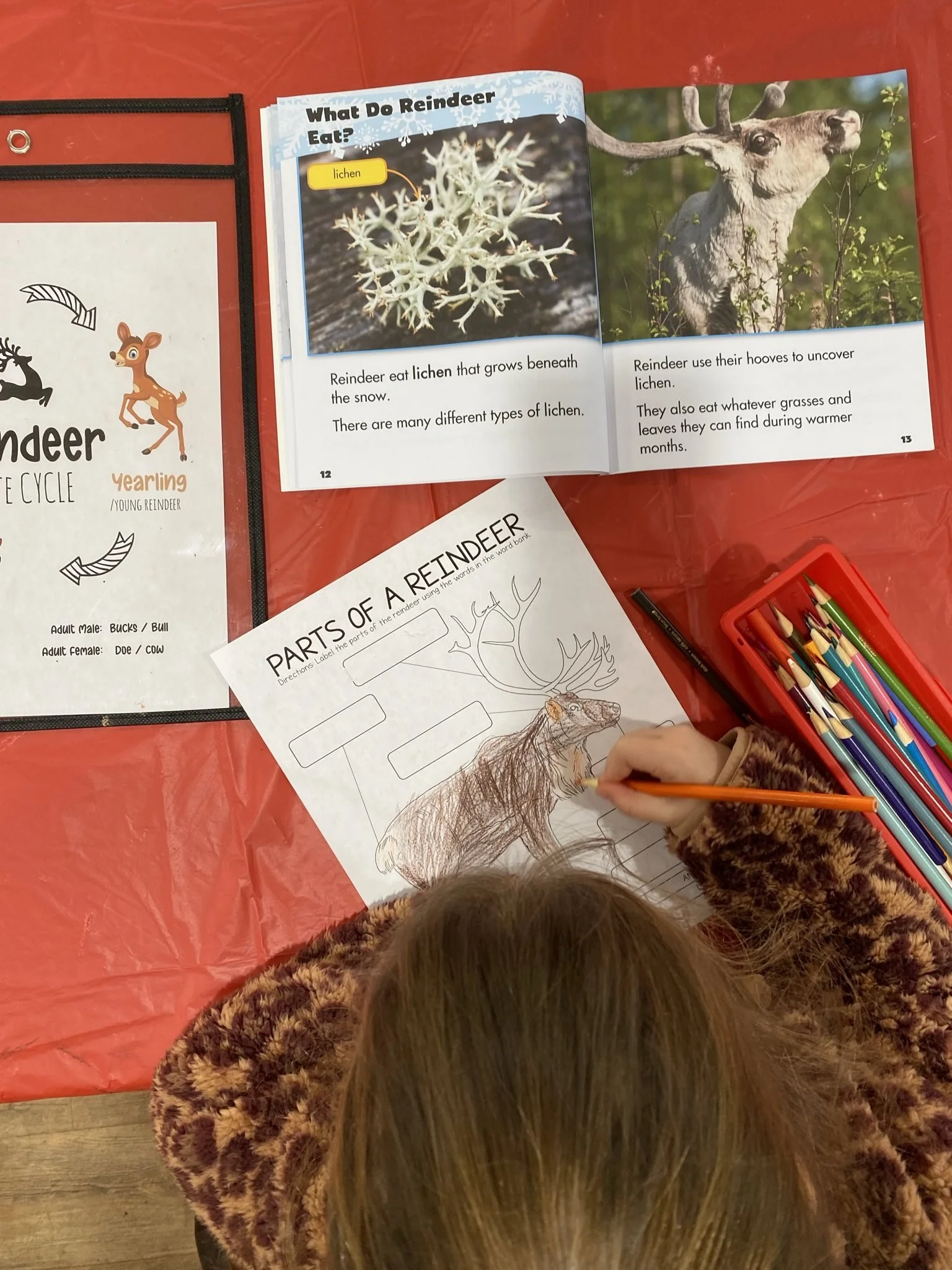
The theme for all was animals but the focus was different for each cohort depending on their grade-level academic standards.
K/1st Focus: owl study, animal classification + categorization
K-LS1-1. Use observations to describe patterns of what plants and animals (including humans) need to survive.
K-ESS3-1. Use a model to represent the relationship between the needs of different plants or animals (including humans) and the places they live.
2nd/3rd Focus: owl study, habitats around the world
2-LS4-1. Make observations of plants and animals to compare the diversity of life in different habitats.
3-LS2-1. Construct an argument that some animals form groups that help members survive.
3-LS4-3. Construct an argument with evidence that in a particular habitat some organisms can survive well, some survive less well, and some cannot survive at all.
3-ESS2-2. Obtain and combine information to describe climates in different regions of the world.
Units 2024 - 2025 Year
August - September: Social Emotional + Community Building
Focus: read alouds, emotional regulation, community building games and activities
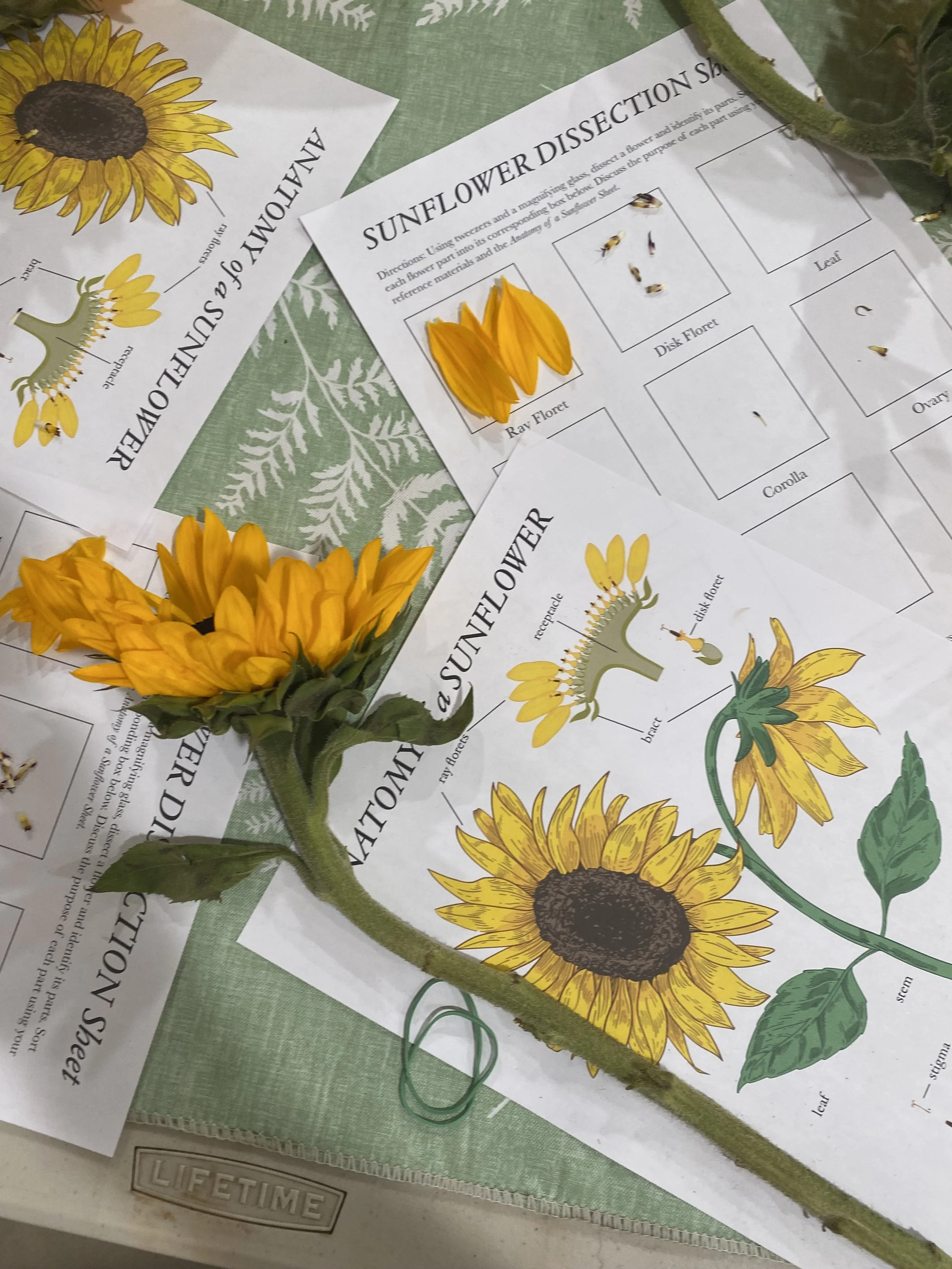
October: Plants - Flowers & Pumpkins
Focus: parts of a flower + identification, parts of a pumpkin + recipes
November - January: Objects in the Sky
Focus: moon phases and observations, facts about the sun and moon, orbiting patterns, astronauts, and planets
December: Gingerbread Stories & Holidays Around the World
Focus: Gingerbread literature Study, holidays: Kwanza, Hannukah, Christmas in Mexico & Slovakia
February - March: Long Ago / Then vs. Now
Focus: George Washington, Abraham Lincoln, transportation and communication long ago vs. now
March - April: U.S. Symbols
Focus: the flag, eagle, Statue of Liberty, and Liberty Bell
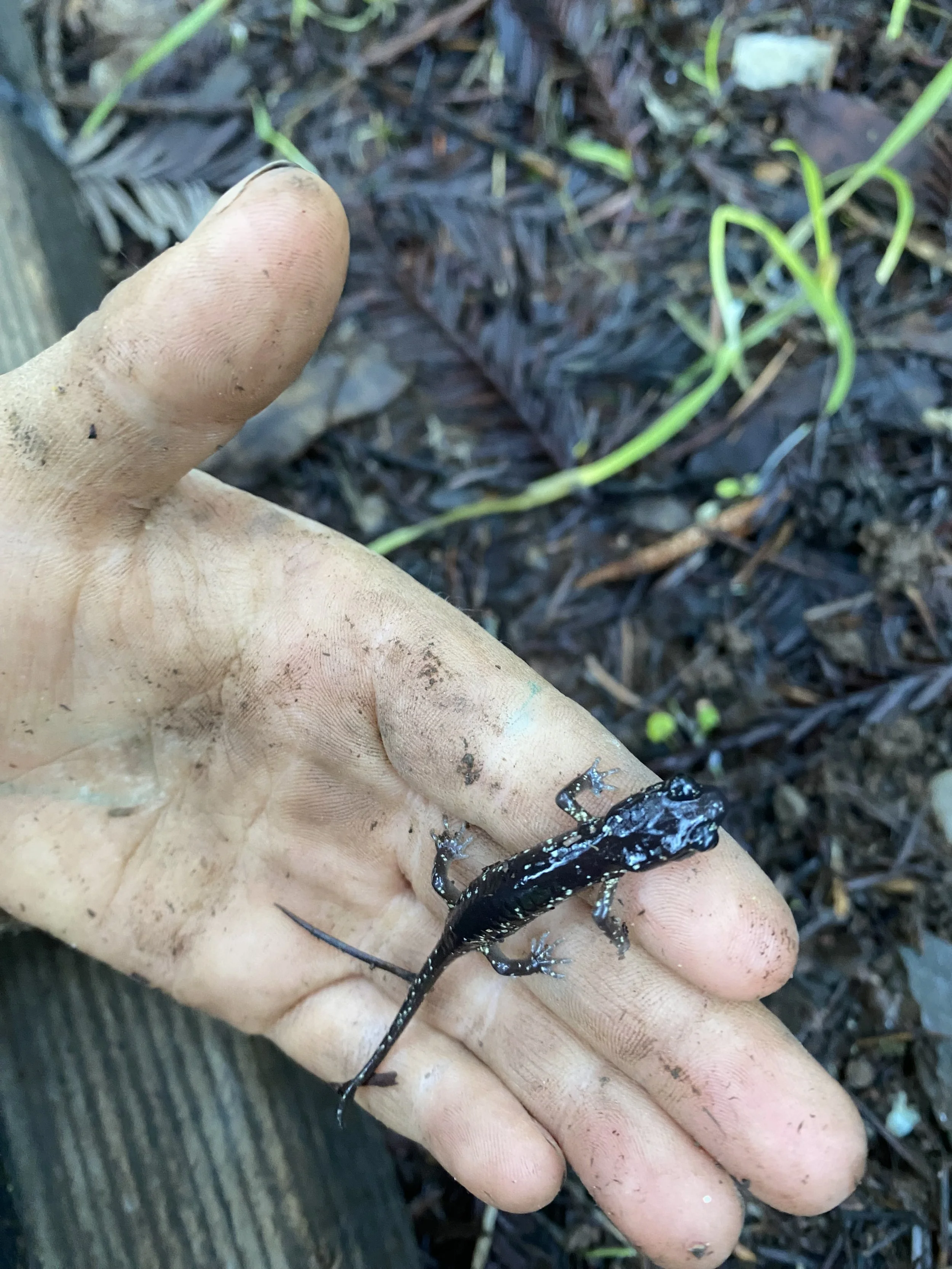
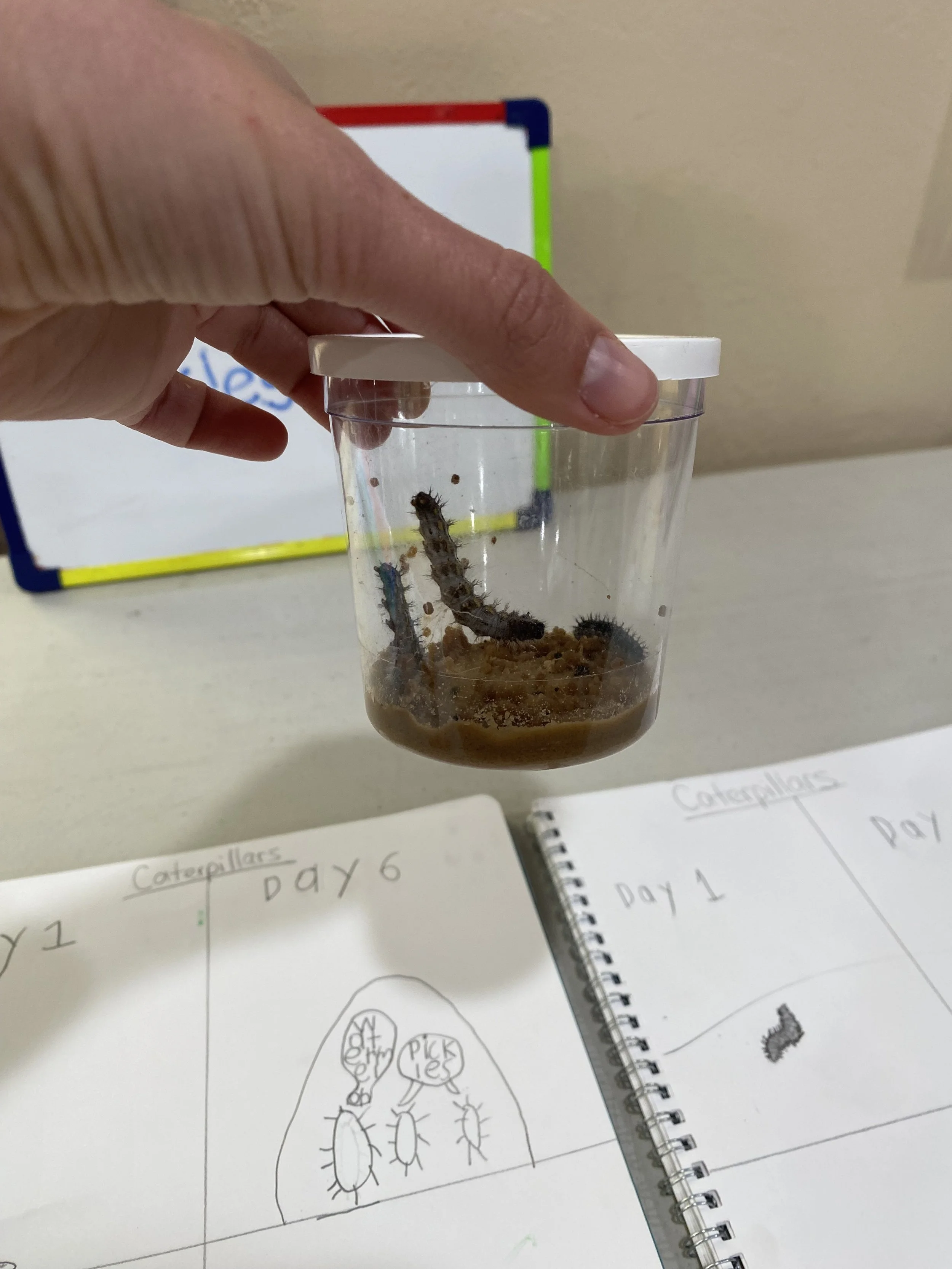
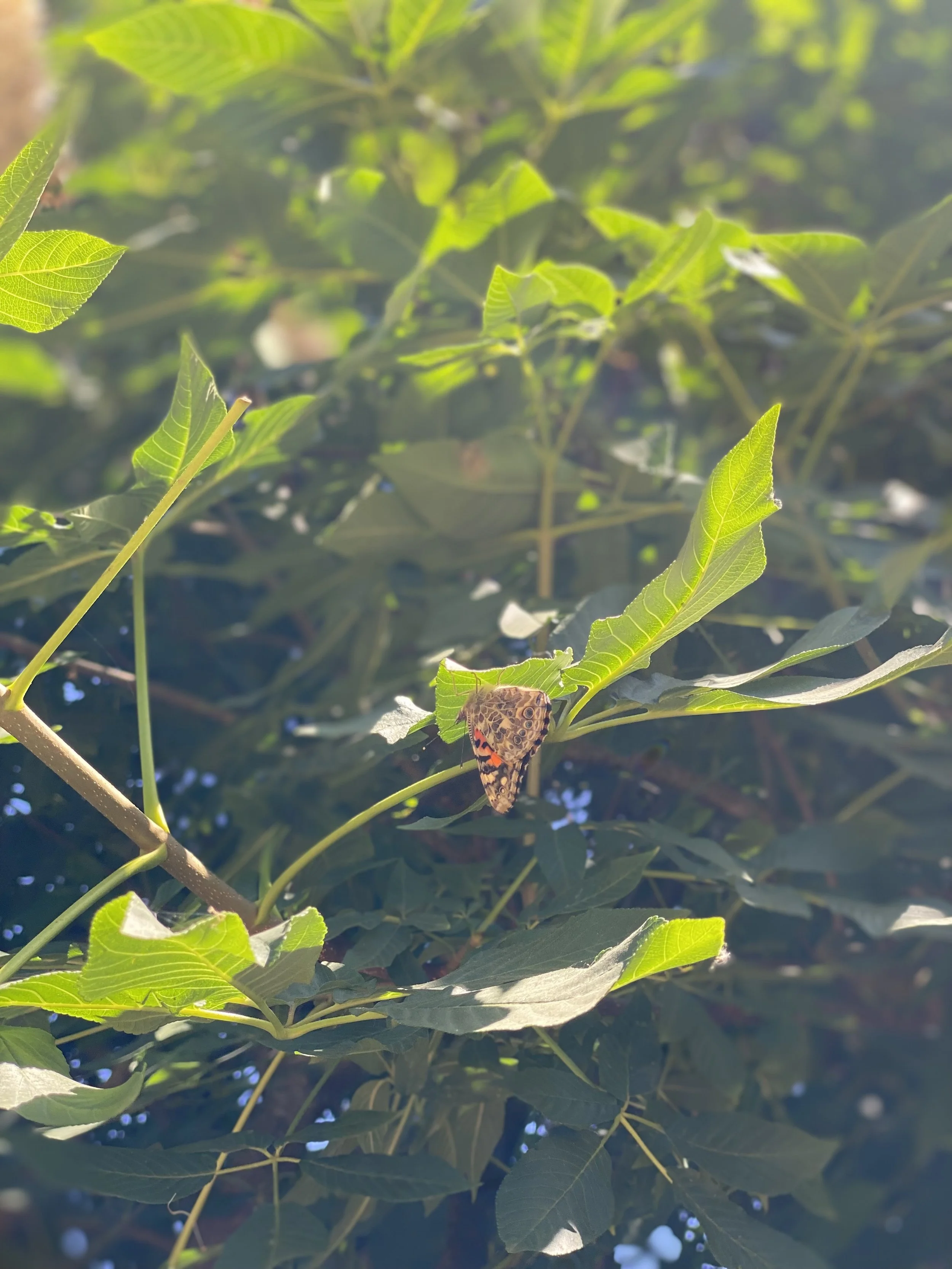
April - May: Animals & Insects
Focus: bald eagle study, life cycle of a butterfly (growing our own), animal tracking
Units 2023 - 2024 Year
September - October : Community Helpers
Focus: building a classroom community, jobs in our community, community heroes
November - December : Plants
Focus: plant parts, life cycle of a plant, growing and observing lima beans
January - March : Animals
Focus - squirrel study, earthworms study + our own wormery, individual animal studies (students pick their own animal to study and present their finding to their peers)
April - May : Weather
Focus: types of weather, recording weather over time (graphing, predicting), extreme weather